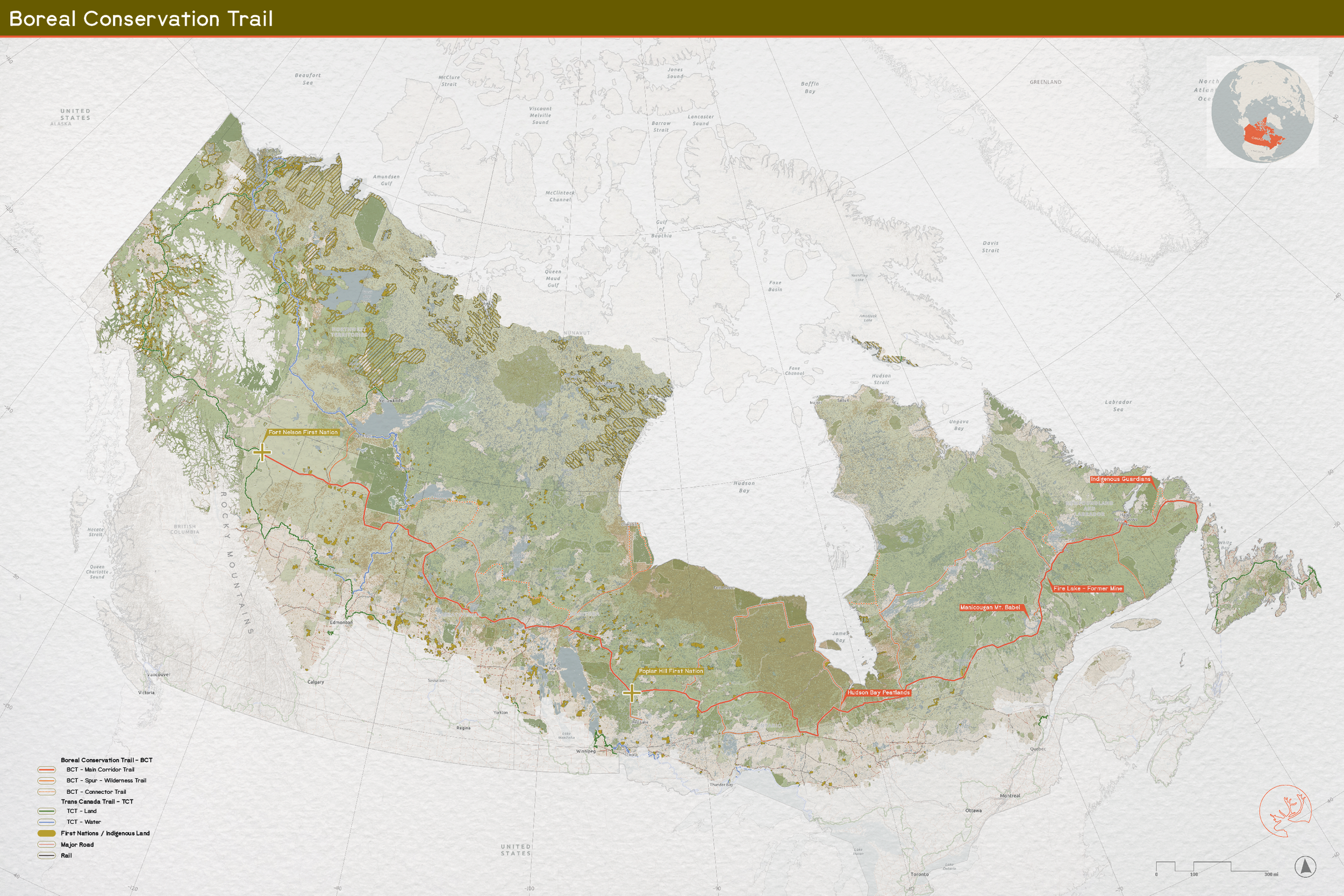
Boreal Conservation Trail - BCT

The boreal conservation area covers over 60% of Canada, expanding beyond the boreal’s current land area and supporting the northward migration of the biome. The BCT contains over 2,500 miles of wilderness trails traversing the largest contiguous sovereign indigenous territory in Canada.
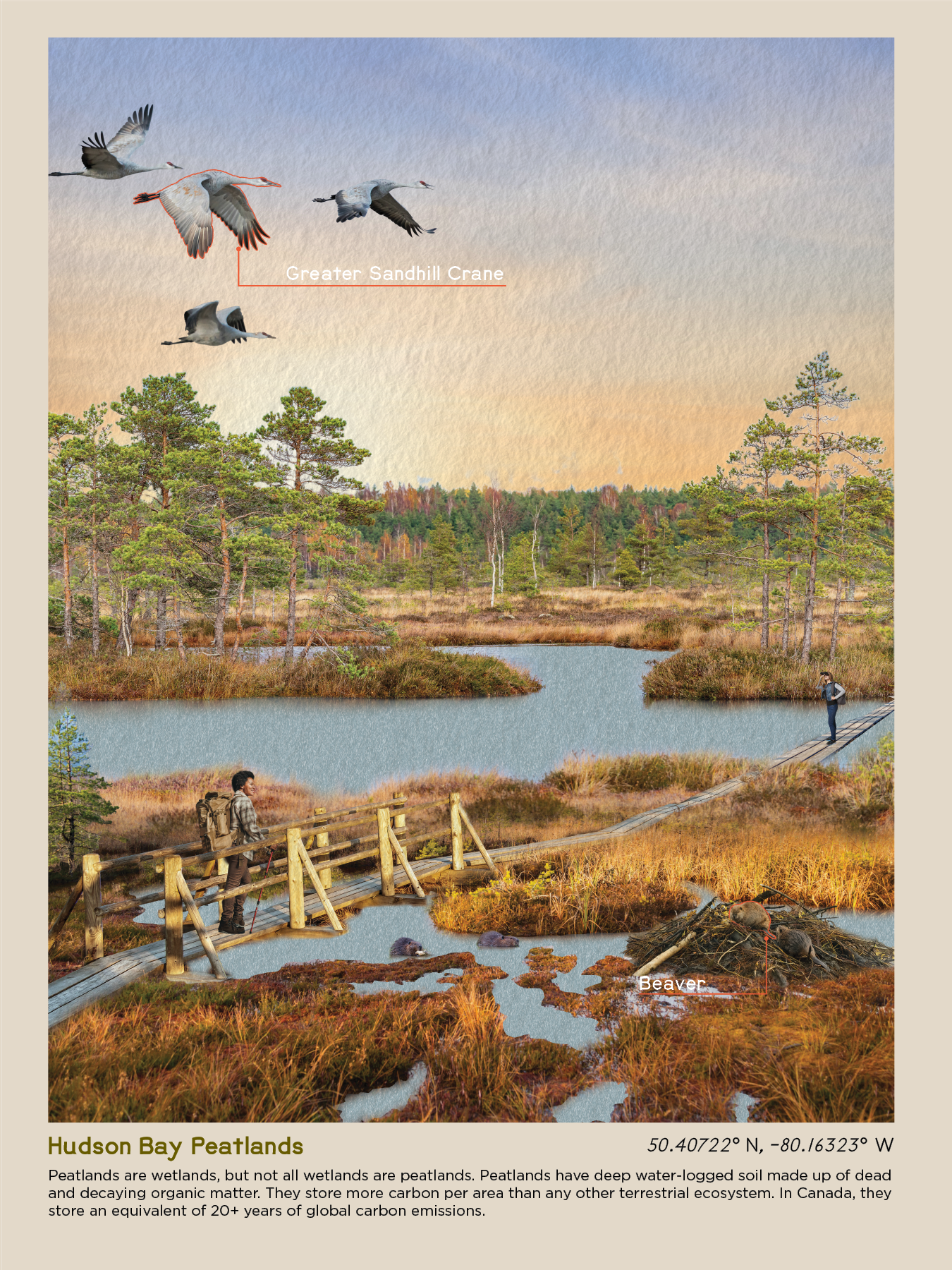
BCT-SinglePage9x12-HudsonBayPeatlands.png
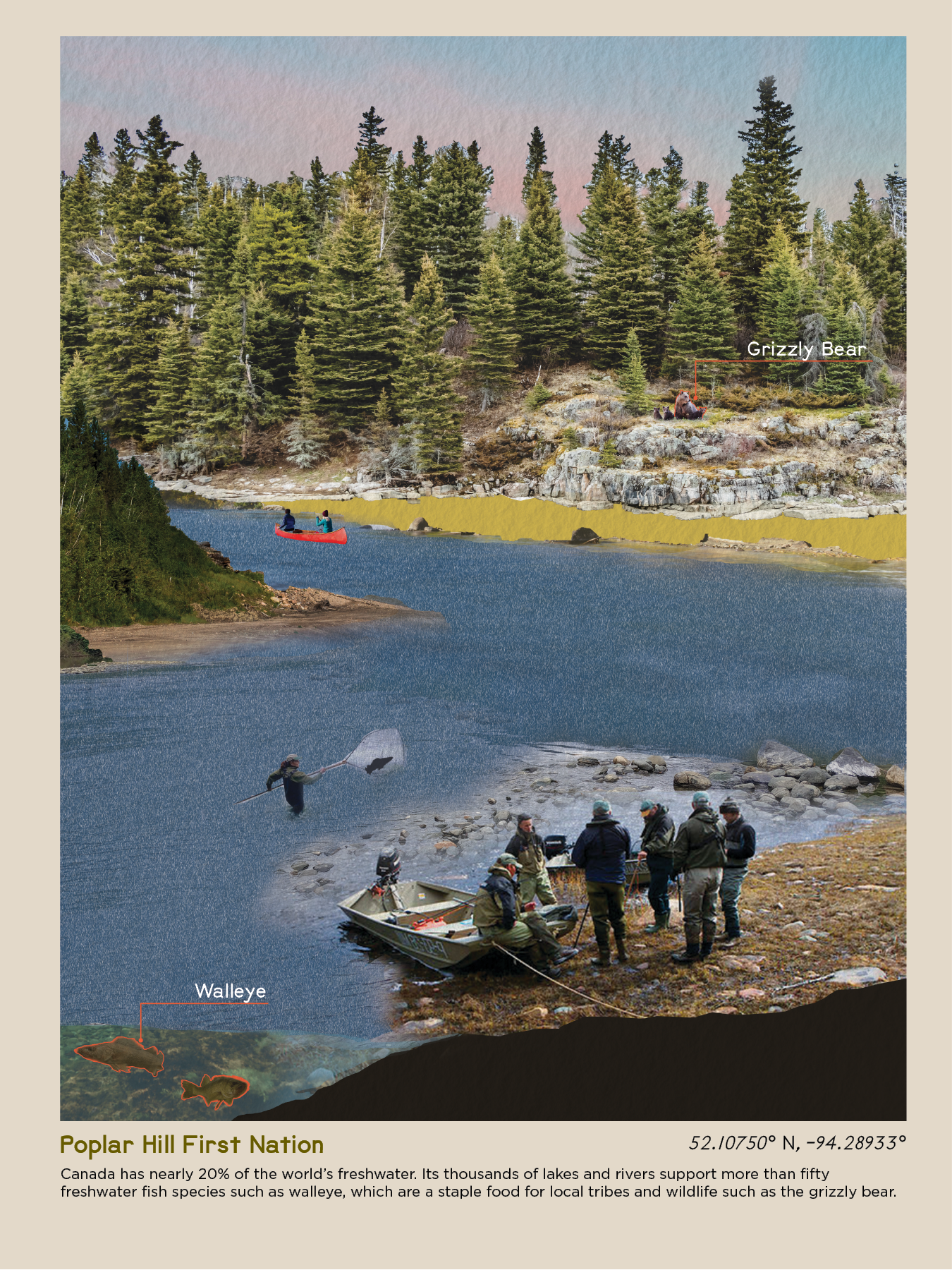
BCT-SinglePage9x12-PoplarHillFirstNation.png
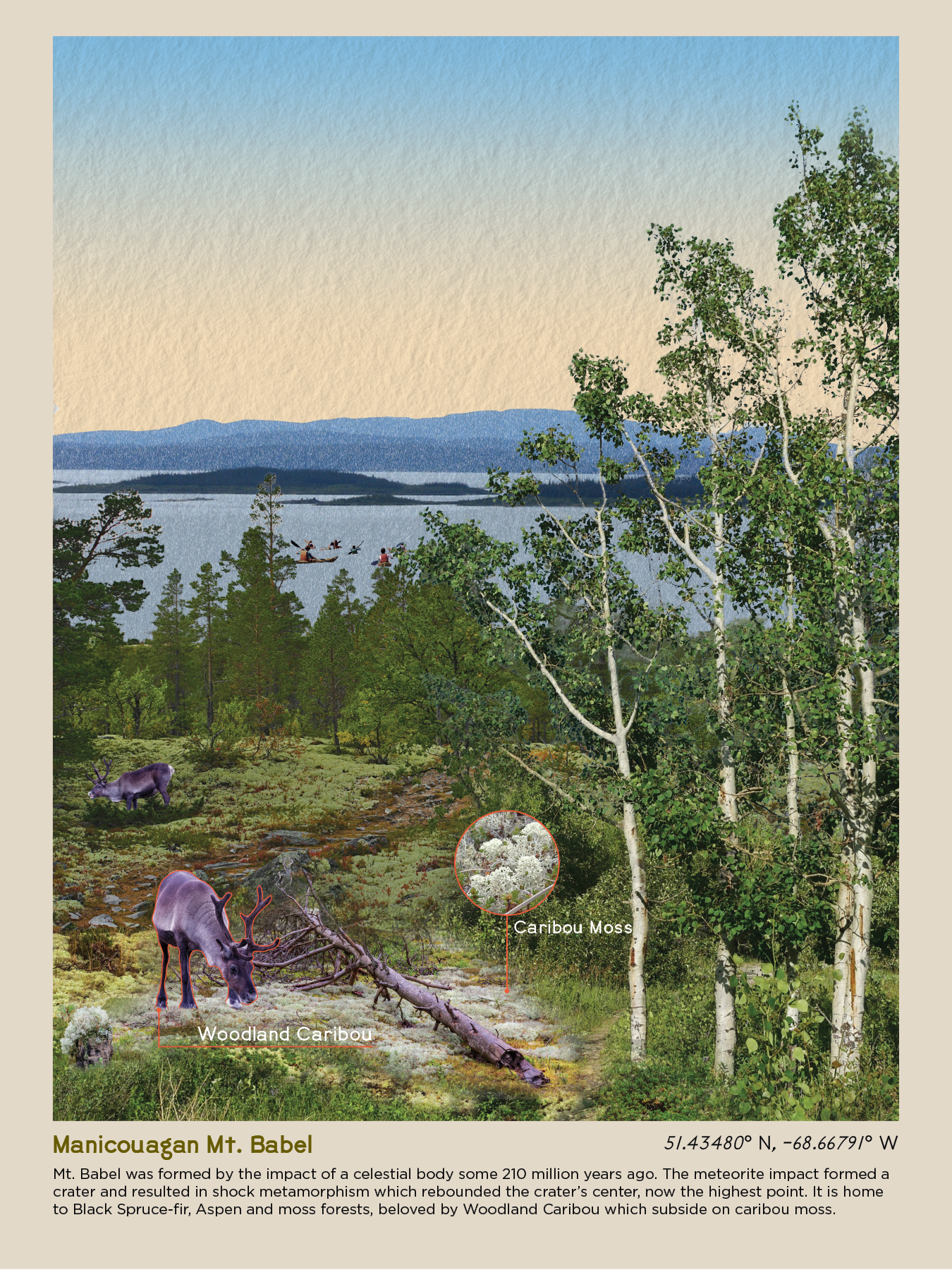
BCT-SinglePage9x12-ManicouaganMtBabel.png
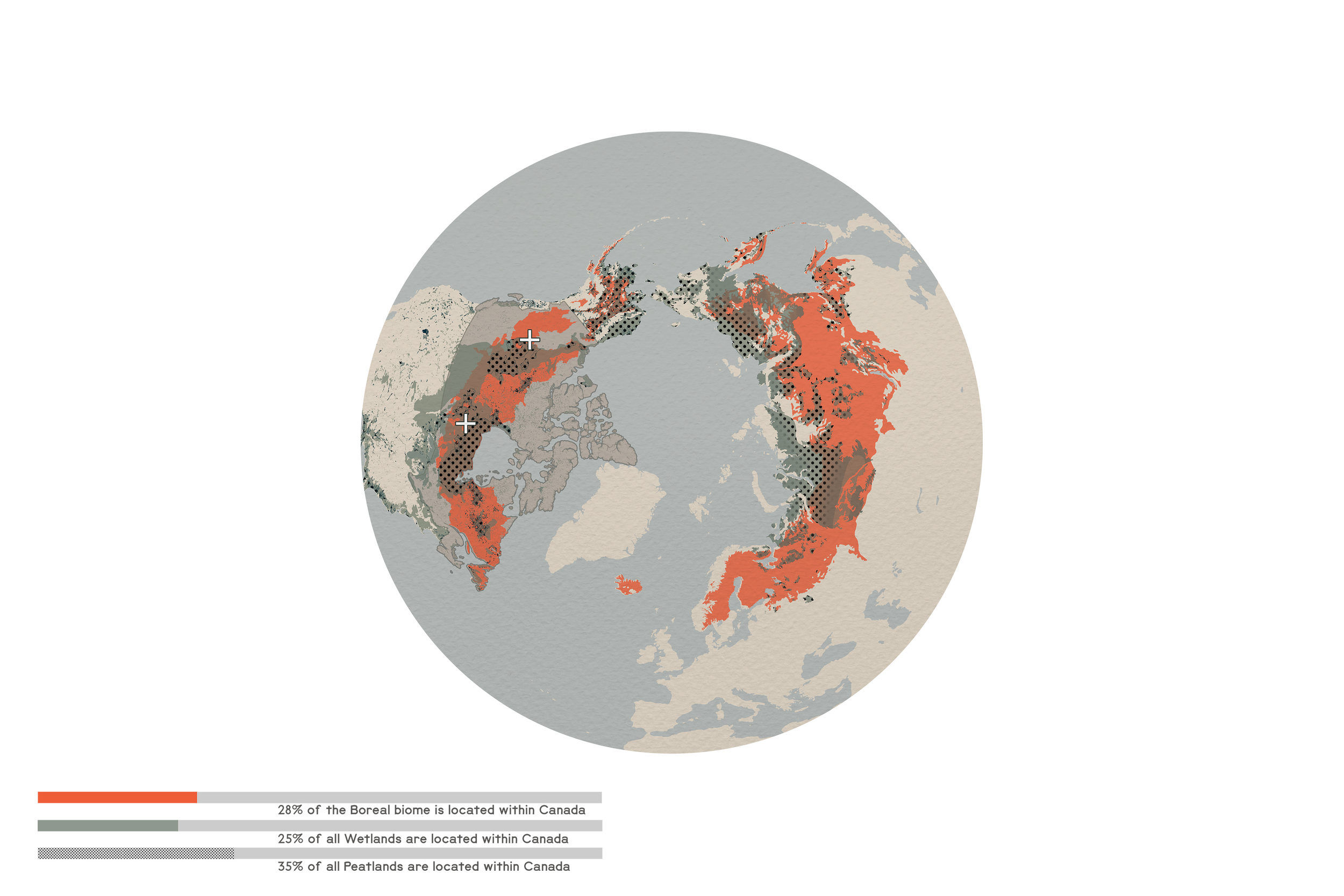
Canada and the Global Boreal Biome

The Boreal Region - also known as the Taiga in Eurasia - is concentrated along the same latitudinal circumpolar section across North America, Europe and Asia. The Boreal is the largest terrestrial biome on Earth. In Canada, the Boreal contains 35% of the world’s peatlands, 25% of the world’s wetlands, and the largest intact forest.

Climate Change and  the Projected Boreal Migration
Climate Change and the Projected Boreal Migration

The projected high emissions climate scenario for 2070 predicts a severe decline of the coniferous boreal biome and a slow migration northward towards colder temperatures due to rising temperatures, lower precipitation, wildfire and vulnerability to damage from insects and fungal disease. Along with this, the carbon emissions from extractive industries such as mining, logging, oil and gas, in Canada’s Boreal accelerate climate change.

Underground Carbon Storage in Canada

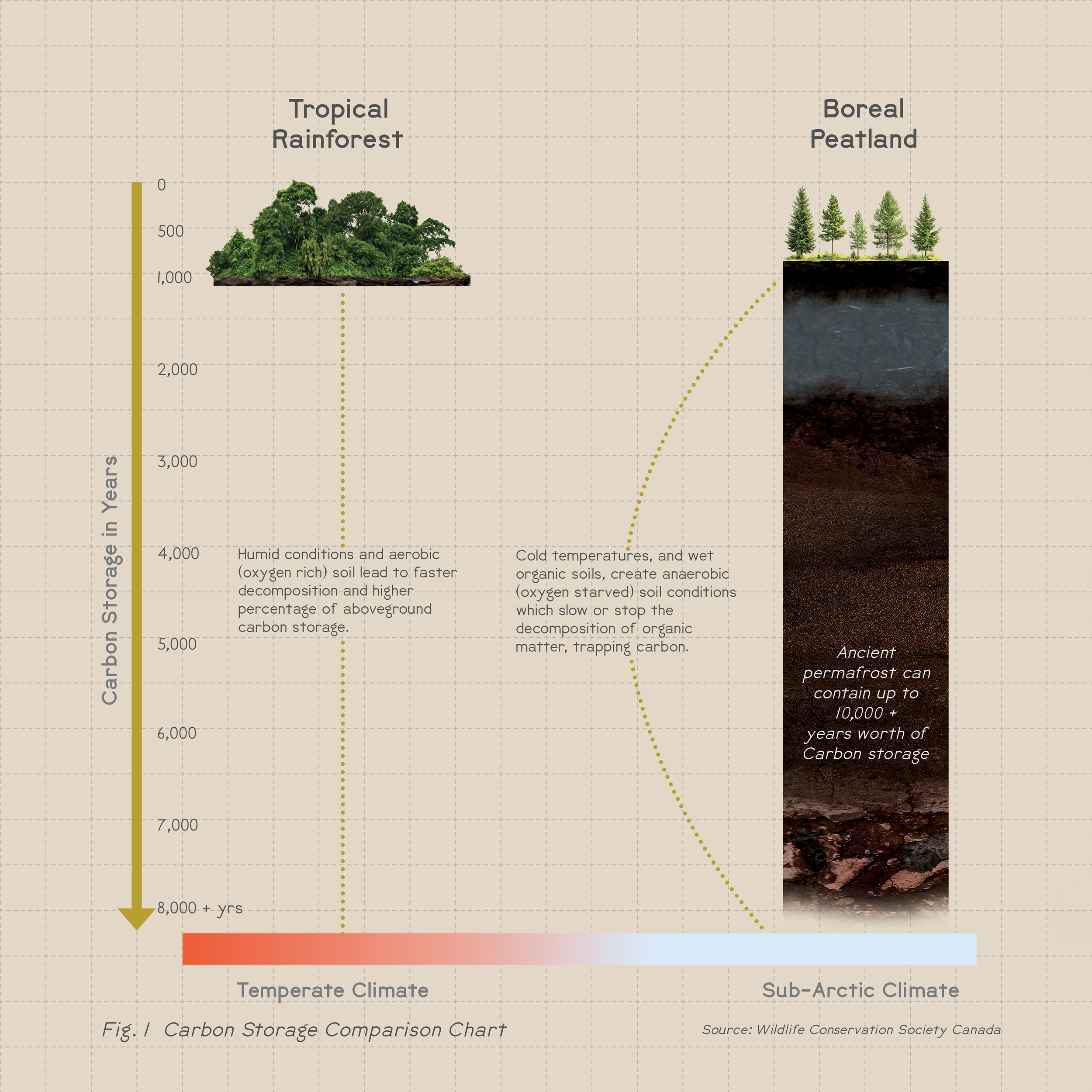
Approximately 94% of carbon in the Boreal is stored in its soils and 6% is stored in aboveground vegetation. That 94% is primarily stored in the top 3 feet of soil. There are 208.1 billion metric tons of carbon stored in the peatlands and boreal biome in Canada alone - which is Equivalent to 26 years worth of global carbon emissions. Carbon stored within the boreal biome is globally significant to regulating greenhouse gas emissions.

Carbon-Storage-Comparison.png
Caribou Herd Ranges
Caribou Herd Ranges

The are 51 identified Boreal Caribou herds. These herd ranges overlap and within them caribou migrate on a north to south pattern following seasonal rhythms and food availability.

Caribou Conservation Status

The majority of threatened and endangered caribou live within the Boreal and mainly in the intact forest and peatland environments, emphasizing their need for large contiguous tracts of land to support the herd and their genetic diversity.

Current Conservation

Approximately 8% of the Boreal region is conserved in the form of protected forest, national parks, Indigenous Protected and Conserved Areas (IPCA’s) and Provincial Parks. IPCAs are defined as “lands and waters where Indigenous governments have the primary role in protecting and conserving ecosystems through Indigenous laws, governance and knowledge systems,” (Indigenous Circle of Experts Report, 2018).

Proposed Conservation

A proposed expansion of Indigenous Protected and Conserved Areas (IPCA’s) would cover the majority of the existing Boreal and the predicted migration area. The proposed conservation area would cover over 63% of Canada. The conservation area would create contiguous habitat for wildlife and provide remarkable land reclamation for indigenous communities in collaboration with the Crown.

Boreal Conservation Trail - BCT
BCT-SinglePage9x12-HudsonBayPeatlands.png
BCT-SinglePage9x12-PoplarHillFirstNation.png
BCT-SinglePage9x12-ManicouaganMtBabel.png
Canada and the Global Boreal Biome
Climate Change and  the Projected Boreal Migration
Underground Carbon Storage in Canada
Carbon-Storage-Comparison.png
Caribou Herd Ranges
Caribou Conservation Status
Current Conservation
Proposed Conservation
Boreal Conservation Trail - BCT

The boreal conservation area covers over 60% of Canada, expanding beyond the boreal’s current land area and supporting the northward migration of the biome. The BCT contains over 2,500 miles of wilderness trails traversing the largest contiguous sovereign indigenous territory in Canada.
Canada and the Global Boreal Biome

The Boreal Region - also known as the Taiga in Eurasia - is concentrated along the same latitudinal circumpolar section across North America, Europe and Asia. The Boreal is the largest terrestrial biome on Earth. In Canada, the Boreal contains 35% of the world’s peatlands, 25% of the world’s wetlands, and the largest intact forest.
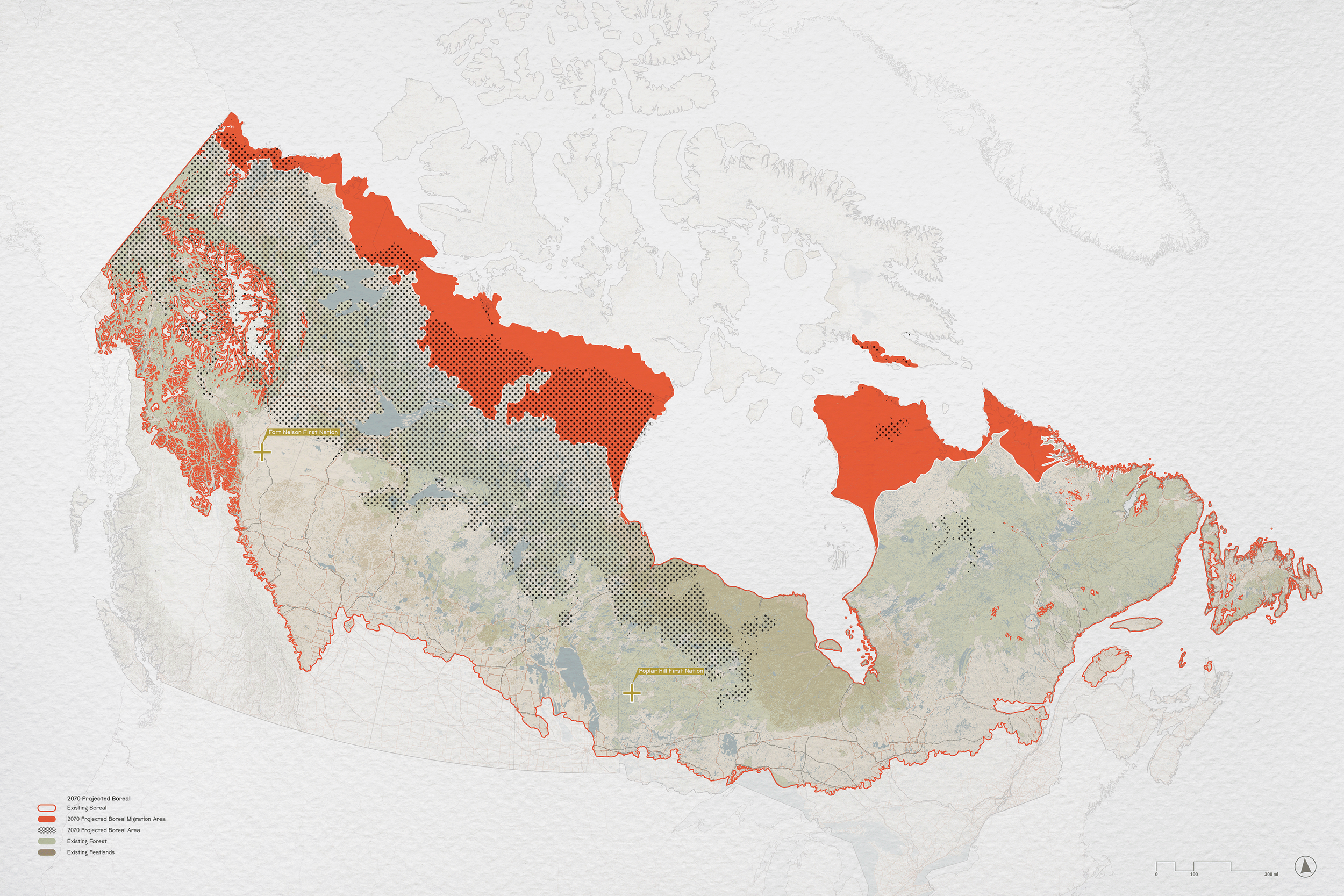
Climate Change and the Projected Boreal Migration

The projected high emissions climate scenario for 2070 predicts a severe decline of the coniferous boreal biome and a slow migration northward towards colder temperatures due to rising temperatures, lower precipitation, wildfire and vulnerability to damage from insects and fungal disease. Along with this, the carbon emissions from extractive industries such as mining, logging, oil and gas, in Canada’s Boreal accelerate climate change.
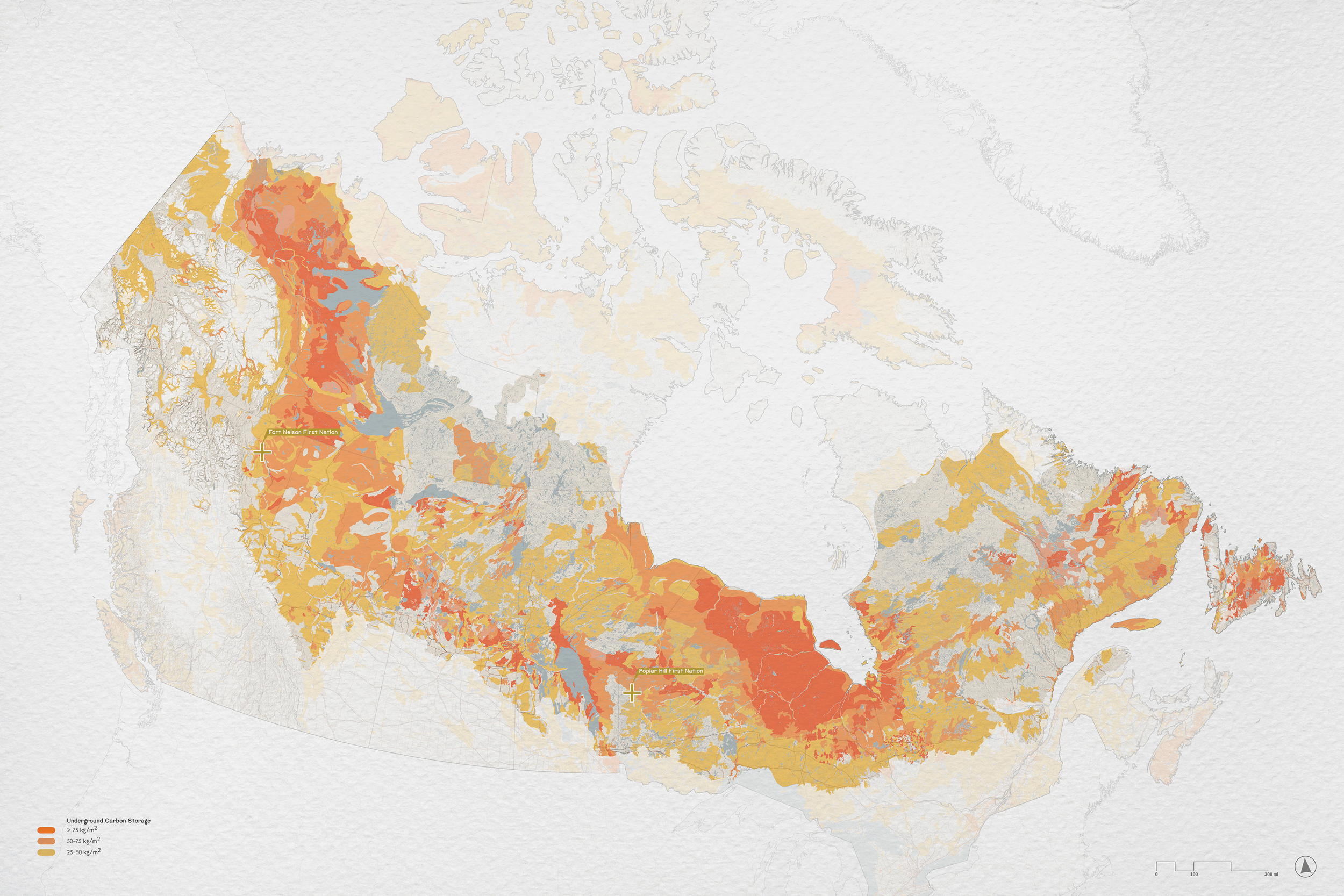
Underground Carbon Storage in Canada

Approximately 94% of carbon in the Boreal is stored in its soils and 6% is stored in aboveground vegetation. That 94% is primarily stored in the top 3 feet of soil. There are 208.1 billion metric tons of carbon stored in the peatlands and boreal biome in Canada alone - which is Equivalent to 26 years worth of global carbon emissions. Carbon stored within the boreal biome is globally significant to regulating greenhouse gas emissions.
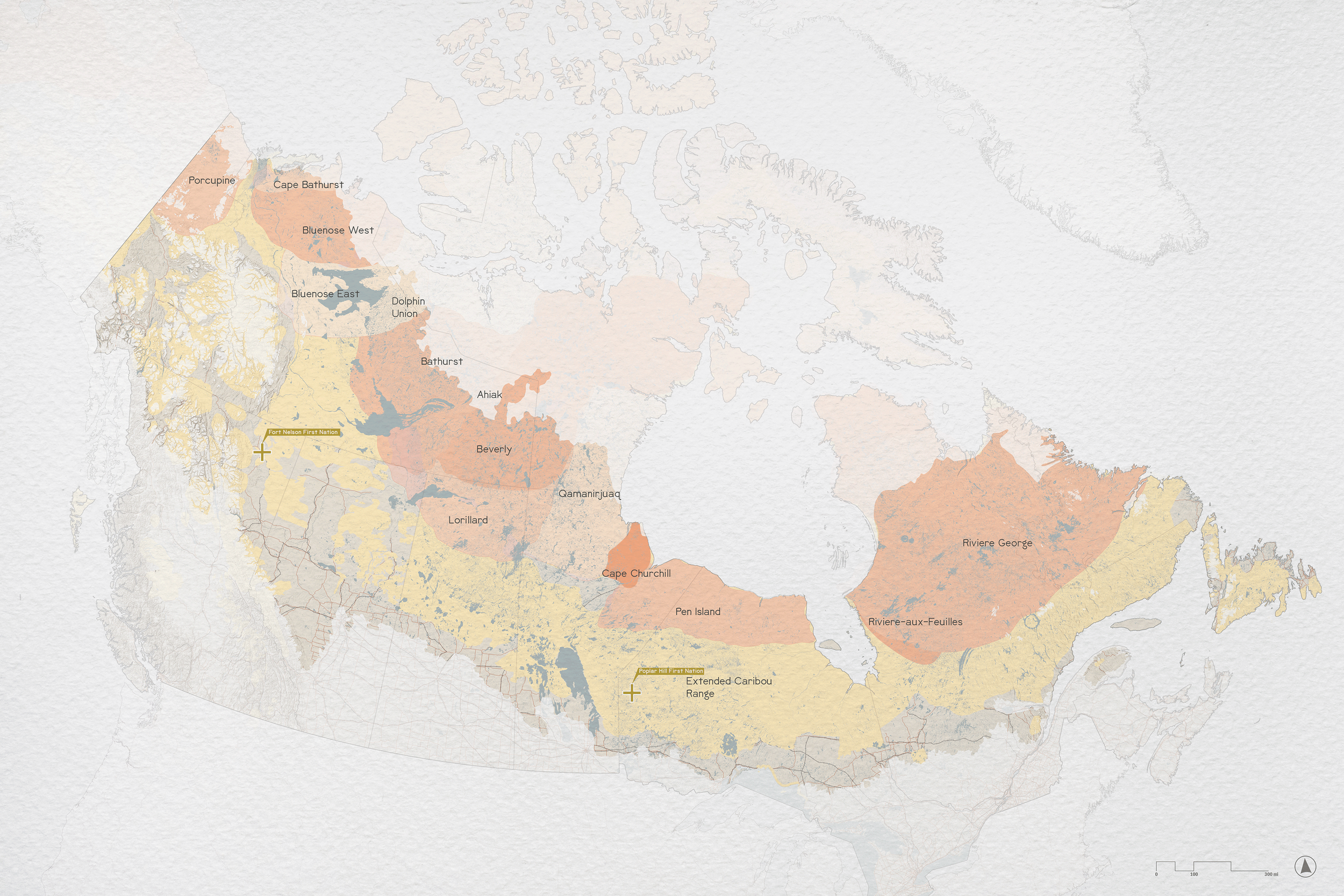
Caribou Herd Ranges

The are 51 identified Boreal Caribou herds. These herd ranges overlap and within them caribou migrate on a north to south pattern following seasonal rhythms and food availability.
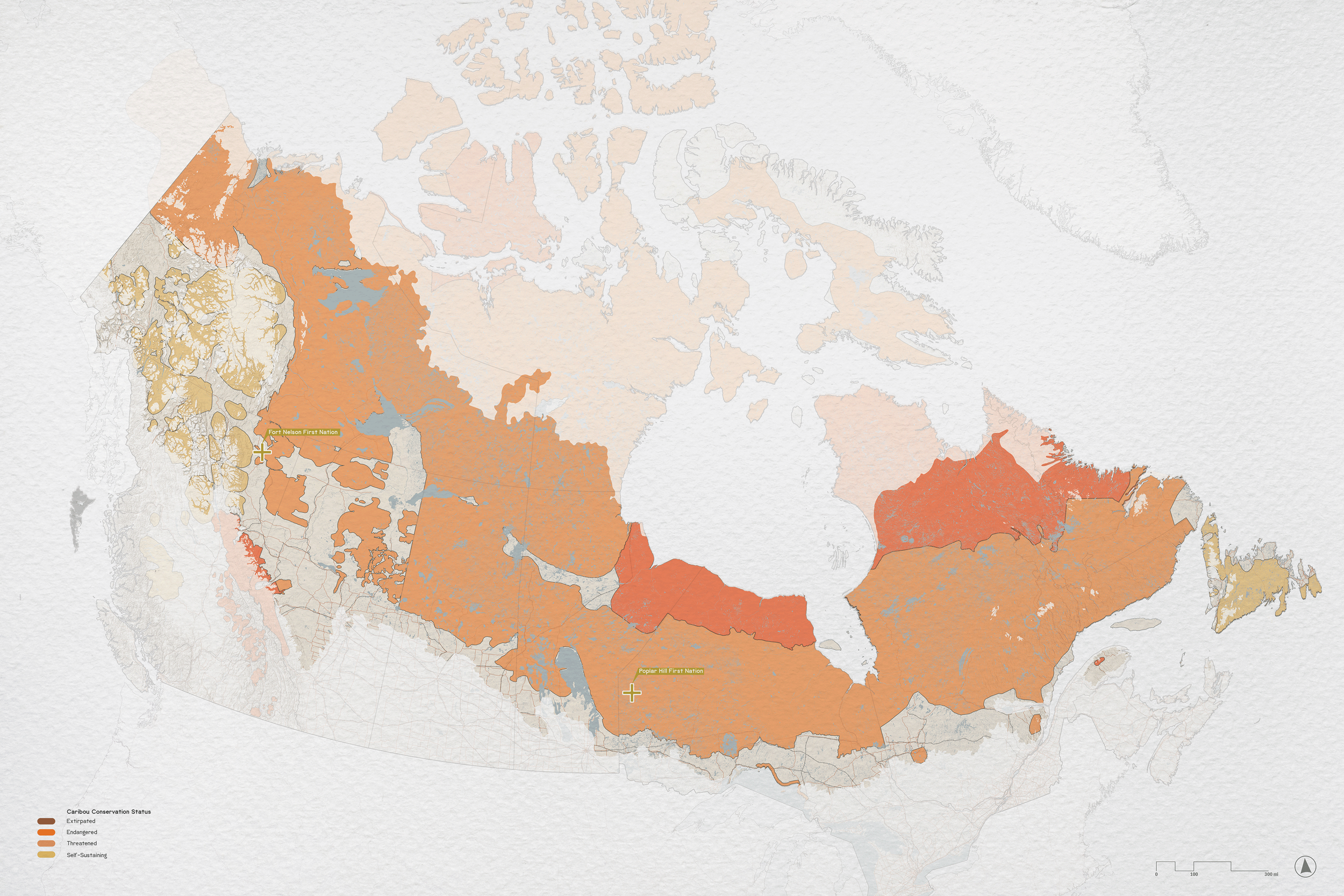
Caribou Conservation Status

The majority of threatened and endangered caribou live within the Boreal and mainly in the intact forest and peatland environments, emphasizing their need for large contiguous tracts of land to support the herd and their genetic diversity.
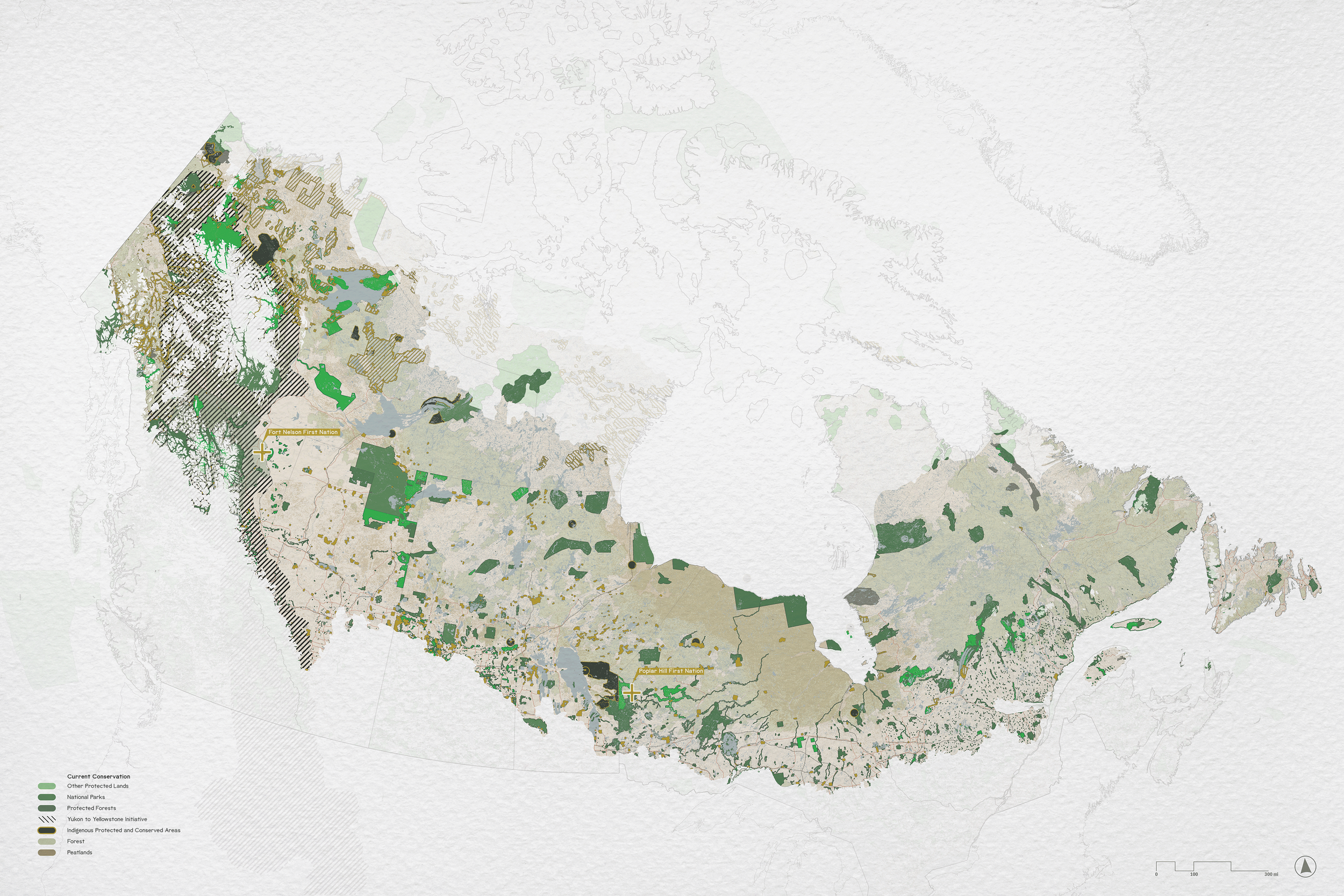
Current Conservation

Approximately 8% of the Boreal region is conserved in the form of protected forest, national parks, Indigenous Protected and Conserved Areas (IPCA’s) and Provincial Parks. IPCAs are defined as “lands and waters where Indigenous governments have the primary role in protecting and conserving ecosystems through Indigenous laws, governance and knowledge systems,” (Indigenous Circle of Experts Report, 2018).
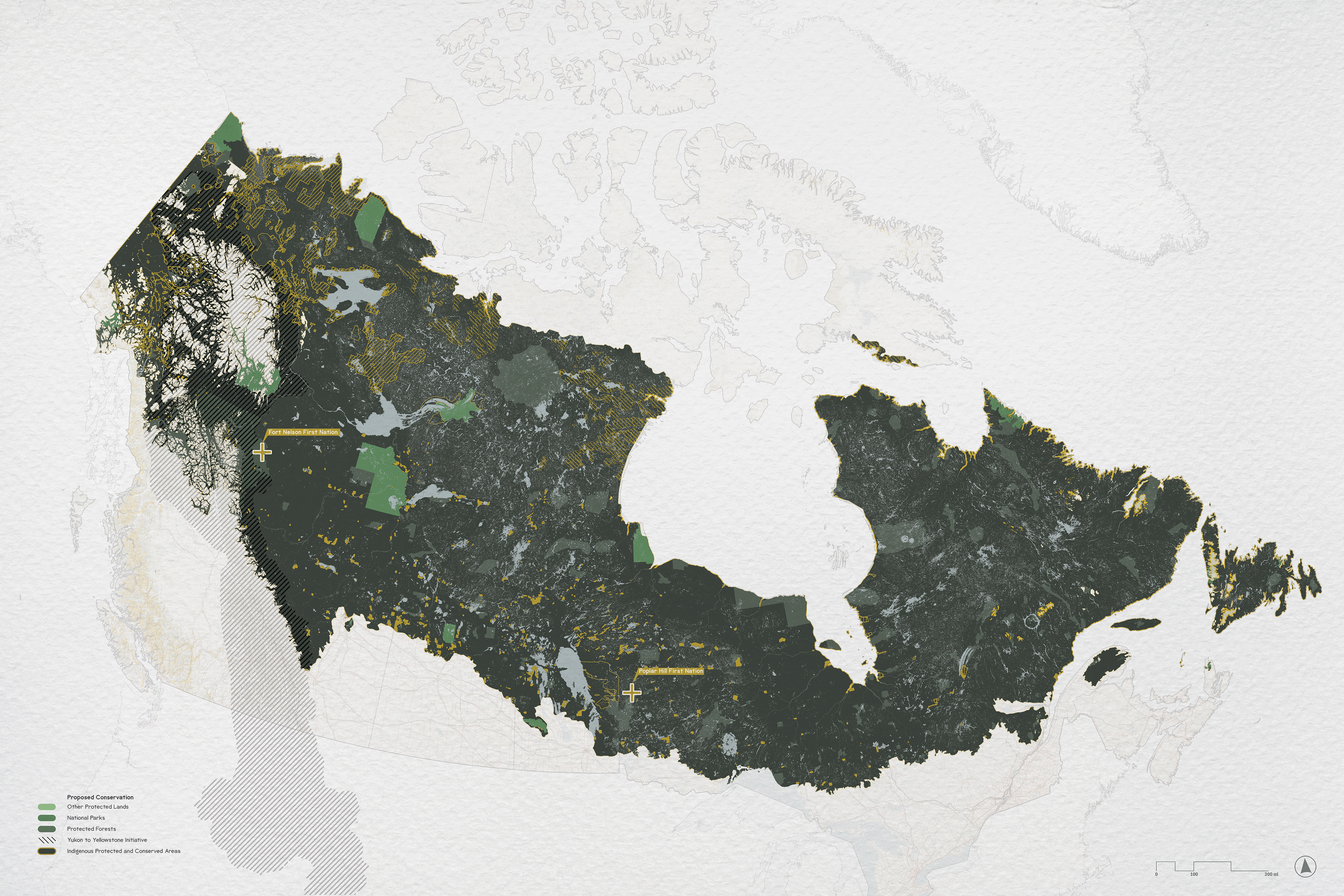
Proposed Conservation

A proposed expansion of Indigenous Protected and Conserved Areas (IPCA’s) would cover the majority of the existing Boreal and the predicted migration area. The proposed conservation area would cover over 63% of Canada. The conservation area would create contiguous habitat for wildlife and provide remarkable land reclamation for indigenous communities in collaboration with the Crown.

show thumbnails